
What testing processes are integral to Electronic assembly near me?
Electronic assembly near me
Testing processes are integral to electronic assembly conducted nearby, ensuring that electronic devices meet specified performance criteria, functionality requirements, and quality standards before they are delivered to customers. With the complexity and diversity of electronic products, a variety of testing processes are employed throughout the assembly process to validate product integrity, reliability, and compliance. From initial prototype testing to final product validation, each testing process plays a crucial role in ensuring the overall quality and functionality of electronic assemblies.
Prototype testing is often the first step in the testing process for electronic assemblies near you. Prototypes are early-stage versions of the final product, used to validate design concepts, functionality, and performance characteristics. Prototype testing involves subjecting prototypes to a series of tests and evaluations to identify design flaws, compatibility issues, and potential areas for improvement. This iterative testing process helps refine the design and ensure that the final product meets customer requirements and specifications.
Functional testing is a critical testing process in electronic assembly near me, ensuring that electronic devices perform their intended functions correctly. Functional tests verify that all components and subsystems of the electronic device operate as expected and meet specified performance criteria. This may include testing inputs and outputs, verifying signal integrity, checking communication protocols, and assessing system response under various operating conditions. Functional testing can be conducted manually or automated using test equipment and software tools tailored to the specific requirements of the electronic device.
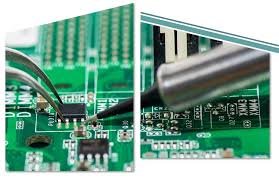
What testing processes are integral to Electronic assembly near me?
Electrical testing is another integral testing process in electronic assembly near you, focusing on verifying the electrical characteristics and performance of electronic components and circuits. Electrical tests assess parameters such as voltage, current, resistance, capacitance, and inductance to ensure that electronic assemblies meet specified electrical requirements. This may involve using multimeters, oscilloscopes, signal generators, and other test instruments to measure and analyze electrical signals and waveforms. Electrical testing helps identify defects such as open circuits, short circuits, and electrical mismatches that could affect product functionality and reliability.
In-circuit testing (ICT) is a specialized electrical testing process commonly used in electronic assembly near you to validate the integrity of populated Printed Circuit Boards (PCBs). ICT involves applying test probes to specific test points on the PCB to measure electrical parameters and detect defects such as missing components, misaligned parts, and soldering defects. ICT systems can perform a battery of tests quickly and accurately, providing valuable feedback on the quality and reliability of electronic assemblies.
Environmental testing is essential for assessing the durability, reliability, and performance of electronic assemblies under various environmental conditions. Environmental tests simulate harsh operating environments, including temperature extremes, humidity, vibration, shock, and electromagnetic interference (EMI), to evaluate the resilience of electronic devices to real-world conditions. Environmental testing helps identify design weaknesses, material vulnerabilities, and potential failure modes that could impact product reliability and longevity.
Finally, regulatory compliance testing is critical for ensuring that electronic assemblies meet applicable industry standards, safety regulations, and certification requirements. Regulatory compliance tests assess factors such as electromagnetic compatibility (EMC), electromagnetic interference (EMI), product safety, and environmental regulations to ensure that electronic devices comply with legal and industry-specific standards. Compliance testing may involve conducting electromagnetic compatibility (EMC) tests, safety assessments, and environmental certifications to obtain regulatory approval for electronic products.
In conclusion, testing processes are indispensable in electronic assembly near you, encompassing a wide range of tests and evaluations to validate product functionality, electrical performance, environmental resilience, and regulatory compliance. From prototype testing to final product validation, each testing process plays a crucial role in ensuring the quality, reliability, and safety of electronic assemblies delivered to customers. By implementing robust testing procedures and quality control measures, electronic assembly facilities can produce high-quality electronic devices that meet customer expectations and regulatory requirements.
Can flexrigid pcbs be repaired if damaged?

AI helps scientists discover new substance which could reduce lithium use in batteries
What Equipment is Used in PCB Board Assembly Manufacturing?
About The Author
