
What Are the Different Types of Flex PCB Supplier Processes?
Types of Flex PCB Supplier
A flex PCB is a type of printed circuit board that can be bent, twisted, and molded into complex shapes. They are used in many different industries, from medical devices to fitness trackers and cameras. They are designed to be more durable than traditional wiring harnesses and ribbon connectors, making them a great choice for use in a variety of applications.
The process of preparing a flex circuit begins with designing it using PCB design software. The design is based on the expected mechanical and electrical requirements of the final device, including the placement of components and the routing of traces. After the design has been completed, output files are generated that can be used to create the copper layers. These are then placed onto a substrate material, such as polyimide or polyester. Conductive material is then placed over the copper layer, forming the pathways for electricity. This is typically copper, which offers excellent electrical properties and flexibility.
After the conductive material is in place, the copper is etched to form the flex pcb suppliers pattern. The etching process is carried out either by immersing the entire substrate in an etch bath or by spraying it with an etchant solution. The etching process also requires the removal of copper from areas that are not needed for the circuit, known as filleting. This step is important to ensure that there are no gaps between copper layers.
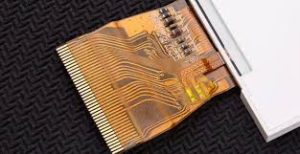
What Are the Different Types of Flex PCB Supplier Processes?
Once the conductive material is in place, it is covered with an adhesive-backed film. The cover lay protects the flex circuit from exposure to harsh chemicals and weather conditions. It can also be coated with a solder mask to make it easier to assemble the circuits. In addition, the cover lay can be protected by an additional polyimide film with or without adhesive. This can be a more expensive option, but it provides superior protection to the flexible circuit.
To finish up the process, the flex circuit is combined with rigid and flex sections. The flex circuit is laminated to the glass-epoxy panel with epoxy or acrylic adhesives. It is then inserted into the panel and attached to the rigid sections with heat, pressure, and an appropriate amount of adhesive. Lastly, the panels are visually inspected for contaminants and scratches.
Once the flex PCB has been finished, it is ready to be shipped out. However, it is essential to choose a reputable and reliable flex pcb supplier to ensure that the product will meet the required quality standards. A reputable supplier will have skilled experts who can provide answers to any questions that may arise during the manufacturing process. They will also be able to detect any issues with the flex PCBs before they are sent out for delivery. This will help to ensure that the flex circuits are of the highest quality possible and will work properly in any application.

Phishing Scams to Social Engineering, how scammers are using new AI Chatbot

Artificial Intelligence better than doctors in detecting breast and ovarian cancers, find studies – Firstpost

HBO’s ‘The White Lotus’ features anti-anxiety drug Lorazepam. How safe is it? – Firstpost
About The Author
