
How To Tell If Someone Is Your Frenemy vs. Your Friend
You probably know the type: a friend who can make you laugh one moment and leave you second-guessing yourself the next. A “frenemy,” if you will.
These frustrating, ambivalent relationships aren’t just emotionally draining —studies suggest they can actually harm your health, spiking stress levels, raising blood pressure and even contributing to faster aging.
“They blur the line between friend and rival, leaving you confused,” psychologist Stefanie Mazer told HuffPost. “Choosing to distance yourself is not about being unkind or punitive. It’s about protecting your mental and emotional well-being so that you can focus on healthier connections and your personal growth.”
She emphasized the importance of seeking out friendships that make you feel valued and letting go of unhealthy dynamics. Although you may find a few benefits to your frenemy relationship, there are more compelling reasons to reconsider it. Below, find five undeniable signs you should consider cutting ties with a frenemy.
1. They begrudge your happiness and relish your failure.
A true friend celebrates your wins. A frenemy does the opposite.
“This person begrudges your happiness and is unable to cheer your successes,” said psychologist and friendship expert Irene S. Levine. “They may actually be rooting for you to fail rather than succeed.”
The phenomenon often shows up in subtle ways ― backhanded compliments, veiled insults, sly put-downs or just a lack of genuine enthusiasm for your success.
“Think about comments that reveal a certain jealousy or subtle jabs like, ‘Oh, it’s so nice of you to be able to wear an outfit like that. I just can never pull that off,’ Or something like, ‘Wow, I didn’t know that you guys were dating. You just don’t seem like his type,’” said Danielle Bayard Jackson, a friendship educator and author of the forthcoming book “Fighting for Our Friendships: The Science and Art of Conflict and Connection in Women’s Relationships.”
She added that your frenemy might be maintaining an appearance of cooperation and support.
“But underneath it, there’s a part of them that takes pleasure or delight in your humiliation, your failure, your isolation,” Bayard Jackson said. “A true friend does not delight in your humiliation. If there’s any point where the person you’re talking to secretly is pleased by discoveries of your failure, embarrassment, hardships or personal trials, that is not a friend, full stop.”
2. They undermine your reputation.
Whether it’s spreading harmful rumors or hiding helpful resources, there are many ways frenemies might chip away at your credibility or success.
“If your frenemy is a colleague at work, they may withhold information you need, spread gossip or otherwise undercut you ― usually behind your back,” Levine said.
Along the same lines, Bayard Jackson noted that your frenemy might even intentionally give you the wrong information or expose things you shared in confidence to other people.
“You have to do the mental labor of measuring your words, wondering who is sharing what with them and not having them be a person you can share certain successes with because they want to sabotage it or can’t share in the celebration with you,” she explained.
True friends offer support, while frenemies create obstacles. Thus, these relationships can damage your professional and personal reputation.
“Staying connected to a frenemy may cost you your reputation by association with someone who is willing to be cruel and catty,” said Deborah Vinall, a licensed marriage and family therapist and chief psychological officer with Recovered.org. “It also decreases the time you have available to invest in other healthier, more meaningful relationships.”
3. They harm your self-esteem and emotional well-being.
“Having a frenemy can negatively impact your self-esteem, as it is easier to internalize wounds from someone close to you,” Vinall said.
Their subtle jabs and unpredictable behavior can leave you feeling small. You might constantly compare yourself to them and feel frustrated, resentful or simply “not good enough.” This makes it hard to relax and live as your authentic self.
“Friendships should enhance our lives,” Levine said. “Having frenemies is unhealthy and unsatisfying. Being with ambivalent or erratic people takes a toll on both our health and emotional well-being.”
She advised considering whether a friendship causes more angst than pleasure. Do you feel zapped of energy after spending time with them?
“Sometimes, the healthiest choice is to step back from a ‘frenemy’ relationship ― especially if it consistently leaves you feeling drained, disrespected or doubting your self-worth,” Mazer said.” Friendships should provide mutual support, trust and respect. When those qualities are repeatedly absent, the relationship may be doing more harm than good.”
Rifka Hayati via Getty Images
4. You can’t rely on them.
Healthy friendships rest on reliability and trust. With frenemies, both are in short supply.
“You can’t rely on the person being there for you ― emotionally, practically or both,” Levine said. “The frenemy has an edge that can make it uncomfortable for you to be with the person. Their mood and attitude towards you may be erratic and changeable. They may be hostile, angry or provocative or as sweet as a kitten. You may feel like you are on high alert.”
Frenemies are unpredictable, which creates constant stress and tension, making it hard to relax in their presence. You might be more guarded around them and uncertain about what role ― if any ― they play in your life.
“I would hesitate to bring somebody into the fold of trust and safety if they have not demonstrated consistently over time that they can be trusted,” Bayard Jackson said. “And in order to get to that point, you have to call out certain behaviors and see how they respond.”
5. They aren’t interested in changing.
“It’s possible to turn a frenemy into a genuine friend if you and the friend are both invested in improving the relationship,” said licensed marriage and family therapist Natalie Moore. “This would require a heart-to-heart where you talk about the unhelpful dynamics of the friendship and what you want to be different moving forward.”
Even when you call out problematic behavior, a frenemy may refuse to acknowledge it ― or worse, double down. Things are unlikely to improve if these kinds of conversations lead to defensiveness, dismissiveness or increased hostility.
“You can be a genuine friend, and you can clearly communicate what you need or want in a friend, but ultimately it is up to them to decide what kind of person they are going to be and whether or not they are going to change or grow,” Vinall said. “If a friend who has hurt you shows remorse and expresses a commitment to change the patterns of behavior that have hurt you, you may choose to give them another chance. People do change and dynamics can shift, but don’t continue to accept abuse if there are no signs of change.”
Do regular check-ins with yourself to see if things are evolving in a positive direction.
“Think about whether they’ve shown any true effort to make changes or if the same patterns keep repeating,” Mazer said. “You also need to check in with yourself about why you want to fix the relationship. Are you hoping for real connection, or just avoiding conflict? If their presence holds you back more than it helps you grow, that’s a clear sign it’s not a good idea. But if you see honest effort, consistency and mutual respect starting to form, then it may be worth giving it a chance.”
Here’s how to cut ties with a frenemy.
“If you recognize that someone is more frenemy than genuine friend, it may be wise to begin backing away,” Vinall advised. “Start by setting clear boundaries around hurtful behavior. If the problem areas continue ― for example, you hear that your friend continues to gossip about you ― follow through on your boundaries by removing contact.”
She noted that you might no longer grab drinks with this person or eat lunch together. You might decline invitations, stop replying to their texts or increase the amount of time you take to respond while decreasing the length of your replies.
“If there’s a risk of the person of a frenemy becoming more overtly angry and aggressive, it’s wise to step back somewhat gradually,” Levine said. “You can begin to dilute the relationship by seeing the person less often, for shorter periods of time, and/or maybe in a group rather than one-on-one. It’s OK to feign busyness, too.”
At the same time, she recommended nurturing healthier friendships that are mutually satisfying.
“A harder, but perhaps better approach is to be direct and tell them why you are no longer interested in spending time or conversing together or why you will be decreasing contact,” Vinall said. “This latter approach allows the frenemy the opportunity to decide whether to change.”
In extreme cases of serious abuse, you might also opt to cut ties without explanation immediately.
“If in the friendship you were severely mistreated and you need to step away immediately, you can cut communication with the friend and block them on your phone and social media profiles to keep yourself safe,” Moore said.
Ultimately, the “right” method depends on your situation. But all the experts agreed on one point: Don’t let things like shared history or guilt keep you trapped in a relationship that consistently leaves you drained, disrespected or diminished in self-esteem. You don’t owe anyone constant access to your time and energy, especially if they use it to undermine you.

9 Everyday Stretches That Can Do Wonders For Your Sex Life
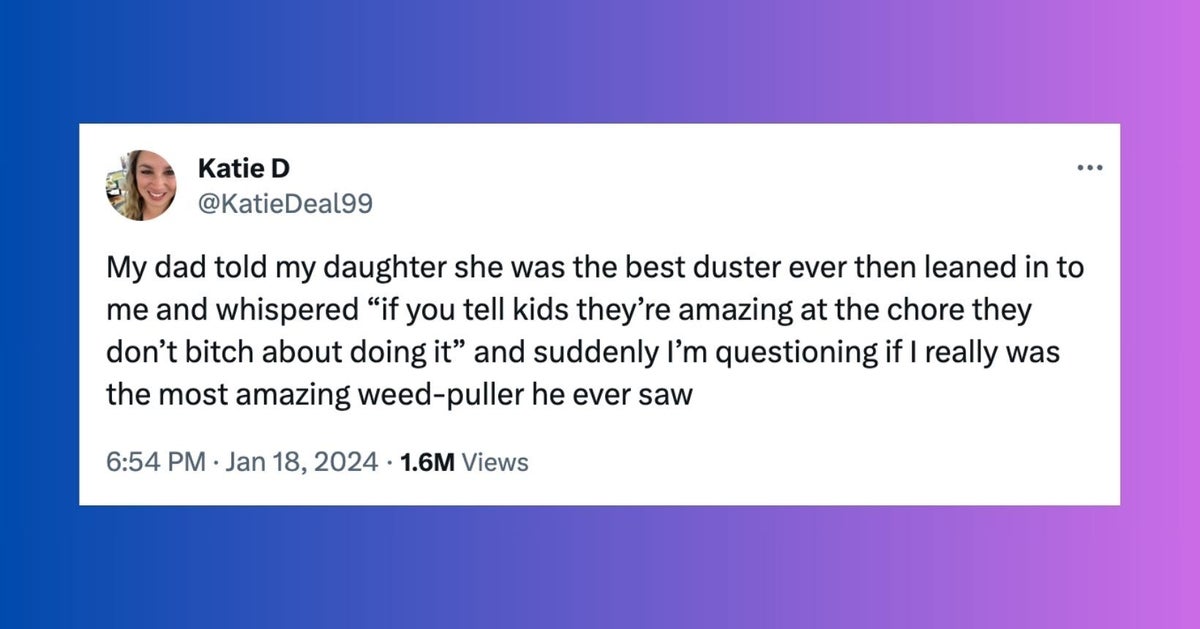
The Funniest Tweets From Parents This Week (Jan. 13-19)
Elmo Offers Dating Advice To A Burnt-Out Single Woman, And It’s Actually Pretty Good
About The Author
