
How does a flex PCB manufacturer support aerospace needs?
How Does a Flex PCB Manufacturer Support Aerospace Needs?
The aerospace industry demands high-performance and reliable components to ensure the safety, functionality, and efficiency of various systems, from avionics to propulsion systems. Flexible printed circuit boards (flex PCBs) have become an essential part of modern aerospace applications due to their lightweight, compact design, and ability to perform in extreme conditions. A flex PCB manufacturer plays a crucial role in meeting the stringent requirements of the aerospace sector. In this article, we explore how flex PCB manufacturers support the unique needs of the aerospace industry.
1. Durability in Extreme Conditions
Aerospace environments subject components to harsh conditions, including extreme temperatures, radiation, and vibrations. Flex PCBs must be able to withstand these challenges without compromising functionality. A flex pcb manufacturer ensures that the materials used, such as polyimide films and high-performance copper foils, are selected for their exceptional heat resistance and durability. Polyimide, for example, has excellent thermal stability, making it ideal for aerospace applications where temperature fluctuations can be severe.
Flex PCBs are also designed to endure mechanical stress, especially in environments with constant vibrations or sudden movements, such as in aircraft and spacecraft. By choosing the right materials and design techniques, a flex PCB manufacturer ensures that the PCB can maintain performance and reliability in these demanding conditions.
2. Lightweight and Compact Design
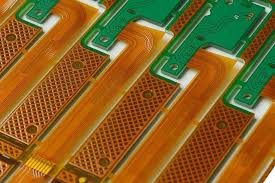
Weight reduction is a top priority in the aerospace industry, as every ounce saved translates into fuel savings and enhanced performance. Flex PCBs offer a significant advantage in this area due to their lightweight and compact nature. A flex PCB manufacturer can produce boards that are thinner and more flexible than traditional rigid PCBs, allowing them to fit into tight spaces without adding unnecessary weight.
In aerospace applications, flex PCBs are used in avionics, control systems, and communication devices, where space constraints are critical. Their ability to be bent, folded, and shaped allows them to conform to the intricate designs of aerospace systems. This flexibility not only reduces weight but also provides more design freedom for aerospace engineers.
3. Electrical Performance and Signal Integrity
The high-frequency electrical signals used in aerospace systems demand excellent signal integrity and low loss. Flex PCBs are known for their ability to handle high-speed signals without degradation. A flex PCB manufacturer ensures that the designs meet the strict electrical performance standards required in the aerospace sector. These PCBs are often manufactured with controlled impedance to maintain signal integrity and reduce the risk of signal loss, interference, or crosstalk.
Moreover, the flexible nature of these PCBs allows for better routing of signals in complex aerospace systems, contributing to better overall performance. The manufacturer also carefully controls trace width and spacing to minimize signal distortion and optimize electrical characteristics.
4. Resistance to Environmental Factors
Aerospace components are exposed to a variety of environmental factors, such as humidity, radiation, and corrosive substances. Flex PCBs used in aerospace applications must be resistant to these elements to ensure the longevity and reliability of the equipment. A flex PCB manufacturer utilizes high-quality materials that offer resistance to moisture and corrosive agents, ensuring the PCBs can perform in even the most challenging conditions.
In addition, radiation resistance is a significant concern in space exploration. Aerospace systems, particularly those used in satellites and spacecraft, must be shielded from the harmful effects of radiation. A flex PCB manufacturer can employ specialized materials and design techniques to enhance the radiation tolerance of flex PCBs, making them suitable for space applications.
5. Customization for Specialized Applications
The aerospace industry often requires customized solutions to meet specific functional requirements. A flex PCB manufacturer works closely with aerospace engineers to tailor designs to the unique needs of each application. This customization can involve altering the number of layers, the thickness of the PCB, or incorporating specialized components, such as high-frequency materials or flexible connectors, to meet the unique challenges of aerospace systems.
Custom designs are also essential for complex systems such as avionics, navigation, and radar systems, where precision and reliability are non-negotiable. By collaborating with aerospace companies, a flex PCB manufacturer can produce bespoke PCBs that meet the most demanding performance, size, and environmental requirements.
6. Quality Assurance and Certifications
Aerospace applications require the highest standards of quality and reliability. A flex PCB manufacturer adheres to industry-specific certifications, such as AS9100, which ensures that the manufacturing process meets rigorous aerospace quality standards. These certifications demonstrate the manufacturer’s commitment to producing high-quality, reliable products that meet the safety and performance standards expected in aerospace applications.
In addition to certifications, a flex PCB manufacturer conducts comprehensive testing throughout the production process. This includes electrical testing to verify functionality, mechanical testing to ensure durability under stress, and environmental testing to simulate extreme conditions. These thorough quality assurance practices guarantee that the final product will perform flawlessly in the demanding environments of aerospace systems.
7. Timely Production and Supply Chain Management
The aerospace industry often operates under tight deadlines, especially when it comes to aircraft production or space missions. A flex PCB manufacturer supports these time-sensitive needs by offering rapid prototyping, short lead times, and efficient supply chain management. Flex PCB manufacturers use advanced manufacturing techniques, such as automated optical inspection (AOI) and laser etching, to ensure quick turnaround times while maintaining precision and quality.
Furthermore, with global supply chains, manufacturers ensure that they can provide timely delivery of materials and components, minimizing delays and ensuring that aerospace projects stay on track.
Conclusion
Flex PCBs are a critical component in modern aerospace systems, offering advantages in terms of weight, flexibility, durability, and electrical performance. A flex PCB manufacturer plays a vital role in supporting the aerospace industry by providing high-quality, customized solutions that meet the stringent requirements of this demanding sector. By using advanced materials, manufacturing techniques, and rigorous testing, flex PCB manufacturers ensure that aerospace applications can rely on their products to perform flawlessly in the most extreme conditions. From avionics to space exploration, flex PCBs are helping drive innovation and performance in the aerospace industry.

Is your child at risk? How climate change is worsening asthma and what you can do – Firstpost

TikToker had her period for 1,000 days. What is this condition, how common is it? – Firstpost

How consuming ultra-processed food can lead to cancer – Firstpost
About The Author
