
How Do You Piano Transcribe For Harp?
Piano Transcribe For Harp
For those who have been playing harp for some time, it is likely that there are piano pieces that you would like to play but that don’t really work well on the instrument. Transcription is one way that you can overcome this problem. It can be done by using a piano weighted midi controller to transcribe the music into notes that can be played on your harp. It can be time consuming but is well worth the effort.
A good piano weighted midi controller can be expensive but there are some that are available for under $100. If you are planning to transcribe music frequently it is worth investing in one.
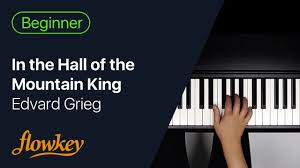
Another important aspect of transcription is to listen closely to the piece of music you are transcribing. This will help you determine what the rhythm is and what the chord progressions are. This will help you create a more accurate transcription and will also enable you to play the transcribed piece with confidence. You will find that listening closely to the original piece will help you understand how it was intended to be played, which will also make it easier for you to perform the transcription on your harp.
https://tartalover.net/nicole-pesce
How Do You Piano Transcribe For Harp?
One way to learn to transcribe is by copying from the score of a recording. This will allow you to practice the rhythm and the chord progressions without having to memorize the entire song. This also helps you understand how the melody of a composition is constructed.
You can also transcribe music by playing it backwards, starting with the end of the piece and working your way back to the beginning. This is a good method for practicing the melodic rhythm of a piece as it will force you to think in terms of the key center. It is also a great way to practice your fingering placements and to get an idea of how the piece will sound on the piano.
https://m.youtube.com/@tartalover2682/videos
If you want to transcribe a piece of music that is not in your key signature, it is helpful to line all the scales up from C (Dorian, Phrygian, Mixolydian, and so on). This will help you recognize the common shapes found across different scales. It can be difficult to hear the difference between some of these scales, so this is a good way to learn them.
Other types of transcriptions include making a piece of music that was originally written for another instrument, such as a violin concerto, into a piano concerto; making an arrangement of a classical piece for a different instrument, such as Beethoven’s re-orchestration of his Piano Sonatas into symphonies; or arranging a composition for the piano from another source, such as a string quartet or voice. These kinds of arrangements are sometimes called transcription, but strictly speaking they should be called arrangements if they change any significant aspects of the original piece.
‘Nagendran’s Honyemoons’ series review: An unimaginatively written series that does not tread any new ground

Mumbai-based artist Sarika Bajaj uses feathers to articulate ecological concerns
‘Choo Mantar’ movie review: More twists than scares in Sharan’s horror drama
About The Author
