
Environmental Considerations for a PCB Board Maker
Considerations for a PCB Board Maker
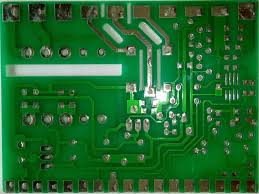
A pcb board maker is responsible for producing electronic circuit boards that contain wires, chips, and other components. The process involves a variety of chemicals and solvents, some of which may be hazardous to human health and the environment. To mitigate this impact, a PCB manufacturer should use green materials and equipment that have a low environmental footprint. In addition, a pcb board maker should ensure that all chemical residues are properly disposed of.
The production of a pcb board maker produces a large amount of liquid waste, which must be treated and disposed of in compliance with local environmental regulations. These effluents include copper hydroxide, tin and lead-tin dross, abrasion fluids, plating solutions, and more. Some of these solutions may also contain toxic metals, such as tin and nickel. Some of these chemicals are highly toxic to the environment and may leach into groundwater or other water sources. To minimize these risks, a PCB manufacturing company should use low-VOC laminates and copper plating alternatives.
A pcb board maker can reduce its environmental impact by using environmentally friendly materials and by improving energy efficiency. Some manufacturers are switching to renewable energy sources, such as wind or solar power, to help offset their carbon emissions. This move can also save money by reducing the need to purchase non-renewable fossil fuels. Other manufacturers are adopting lean manufacturing techniques to optimize productivity and minimize energy usage.
Environmental Considerations for a PCB Board Maker
PCBs can also be made from recycled materials, which can cut down on the need for resource-intensive extraction. Many countries have programs and regulations for the safe recycling and disposal of e-waste to prevent harmful materials from entering landfills.
During the assembly of a pcb, the solder used to make electrical connections can release toxic fumes that can be harmful to humans and the environment. Soldering operations should be conducted in a closed, well-ventilated area to minimize these effects. In addition, the use of lead-free solder can minimize the amount of harmful metals released into the air.
The pcb board maker should ensure that workers are protected from chemical hazards by providing protective clothing and using safe handling procedures. Workers should also be trained to identify jobs that require exposure to vapors, and should be required to wear respirators when performing these tasks. Toxic chemicals should be stored in sealed containers, and should only be emptied when needed. The use of organic solvents should be minimized, as these are known to damage the environment and human health when improperly handled.
The production of a pcb can generate large quantities of wastewater, including effluents rich in vinyl polymers, organic solvents, stannic oxide, alkalis, acids, metals, and fluxes. These chemicals can be damaging to the environment if they enter water bodies or soils, and should be treated and disposed of according to local environmental regulations. In addition, the use of solvents containing chlorofluorocarbons should be avoided, as these compounds have high ozone depletion potential.
IT Minister Chandrasekhar calls for academic institutions to deliver

Caffeine overdose kills woman. How much can you safely consume? – Firstpost

Working on robotic arm for Chandrayaan-4, mission will be more daunting than Ch-3, reveals ISRO Chief
About The Author
