
Are there any specialized techniques used in assembling flexible printed circuit boards?
flexible printed circuit boards
Flexible printed circuit boards (PCBs) have revolutionized electronic device design, enabling sleeker, lighter, and more adaptable products. Assembling these flexible PCBs requires specialized techniques tailored to their unique properties and applications. Traditional rigid PCB assembly methods often fall short when dealing with flexible substrates, necessitating innovation in manufacturing processes. Here, we delve into the advanced techniques employed in assembling flexible printed circuit boards.
One crucial aspect of assembling flexible PCBs is substrate handling. Unlike rigid PCBs, flexible substrates are delicate and susceptible to damage from excessive bending or stretching. Therefore, manufacturers employ precise handling techniques to prevent mechanical stress during assembly. Automated systems with carefully calibrated parameters ensure gentle substrate manipulation, reducing the risk of tears or fractures.
Furthermore, the component placement process in flexible printed circuit board assembly demands meticulous attention. Traditional pick-and-place machines may not suffice due to the substrate’s flexibility. Advanced assembly techniques utilize specialized equipment capable of accurately positioning components on curved or irregular surfaces. Robotics and vision systems play a vital role in achieving precise alignment, enhancing assembly quality and reliability.
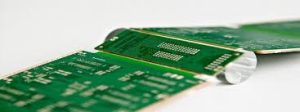
Are there any specialized techniques used in assembling flexible printed circuit boards?
Adhesive dispensing is another critical step in assembling flexible PCBs. Unlike rigid substrates, flexible materials require flexible adhesives to maintain structural integrity without impeding flexibility. Specialized dispensing systems apply adhesives evenly across the substrate, ensuring secure component attachment while preserving flexibility. Moreover, these systems offer precise control over adhesive volume and placement, minimizing waste and optimizing assembly efficiency.
Thermal management presents unique challenges in flexible PCB assembly. Flexible substrates are more susceptible to heat-induced deformation, necessitating careful temperature control during soldering and reflow processes. Advanced assembly techniques incorporate innovative thermal management solutions such as localized heating and cooling mechanisms. These techniques ensure uniform heat distribution while minimizing thermal stress on the flexible substrate, preserving its integrity and performance.
In addition to mechanical and thermal considerations, electrical testing is essential to ensure the reliability of flexible PCB assemblies. Traditional testing methods may not adequately assess the integrity of flexible substrates, leading to undetected defects or failures. Advanced testing techniques, such as dynamic flex testing and impedance measurement, are tailored to the unique properties of flexible PCBs. These methods evaluate both electrical performance and mechanical robustness, providing comprehensive quality assurance.
Environmental factors also play a significant role in flexible PCB assembly. Flexible substrates are often used in applications exposed to harsh operating conditions, such as automotive or aerospace electronics. Therefore, assembly techniques must account for environmental factors such as moisture, dust, and vibration. Encapsulation and conformal coating processes protect flexible PCB assemblies from environmental hazards, ensuring long-term reliability and durability.
Furthermore, ongoing research and development efforts continue to drive innovation in flexible PCB assembly techniques. Emerging technologies such as additive manufacturing and nanomaterials offer new possibilities for enhancing assembly efficiency and performance. Collaborative efforts between manufacturers, researchers, and industry stakeholders are vital for advancing the state-of-the-art in flexible PCB assembly.
In conclusion, assembling flexible printed circuit boards requires specialized techniques tailored to their unique properties and applications. From substrate handling to adhesive dispensing, thermal management, electrical testing, and environmental protection, advanced assembly techniques ensure the reliability, durability, and performance of flexible PCB assemblies. By embracing innovation and collaboration, manufacturers can unlock the full potential of flexible electronics in powering the next generation of electronic devices.

How sitting at your desk all day increases heart risk – Firstpost

How your breathing pattern has surprising impact on your pupil size – Firstpost

Can aspirin stop cancer from spreading? – Firstpost
About The Author
